Test Before You Invest
Corporate Venture Capital (CVC) is becoming increasingly popular to accelerate innovation. Yet, most of these partnerships between corporations and startup fail to create strategic or financial returns.
Common issues I observe with CVC:
Misaligned expectations between startup speed and corporate governance.
Overconfidence in the startup’s vision without testing critical assumptions.
Lack of clarity on where the corporate value truly plugs into the startup’s model (e.g., distribution, data, brand, or tech).
CVCs often operate like traditional investors when they need to act more like experimenters.
Here are some practical tips on how you can test before you invest in startups.
1. Have the startup founders walk through their business model with you.
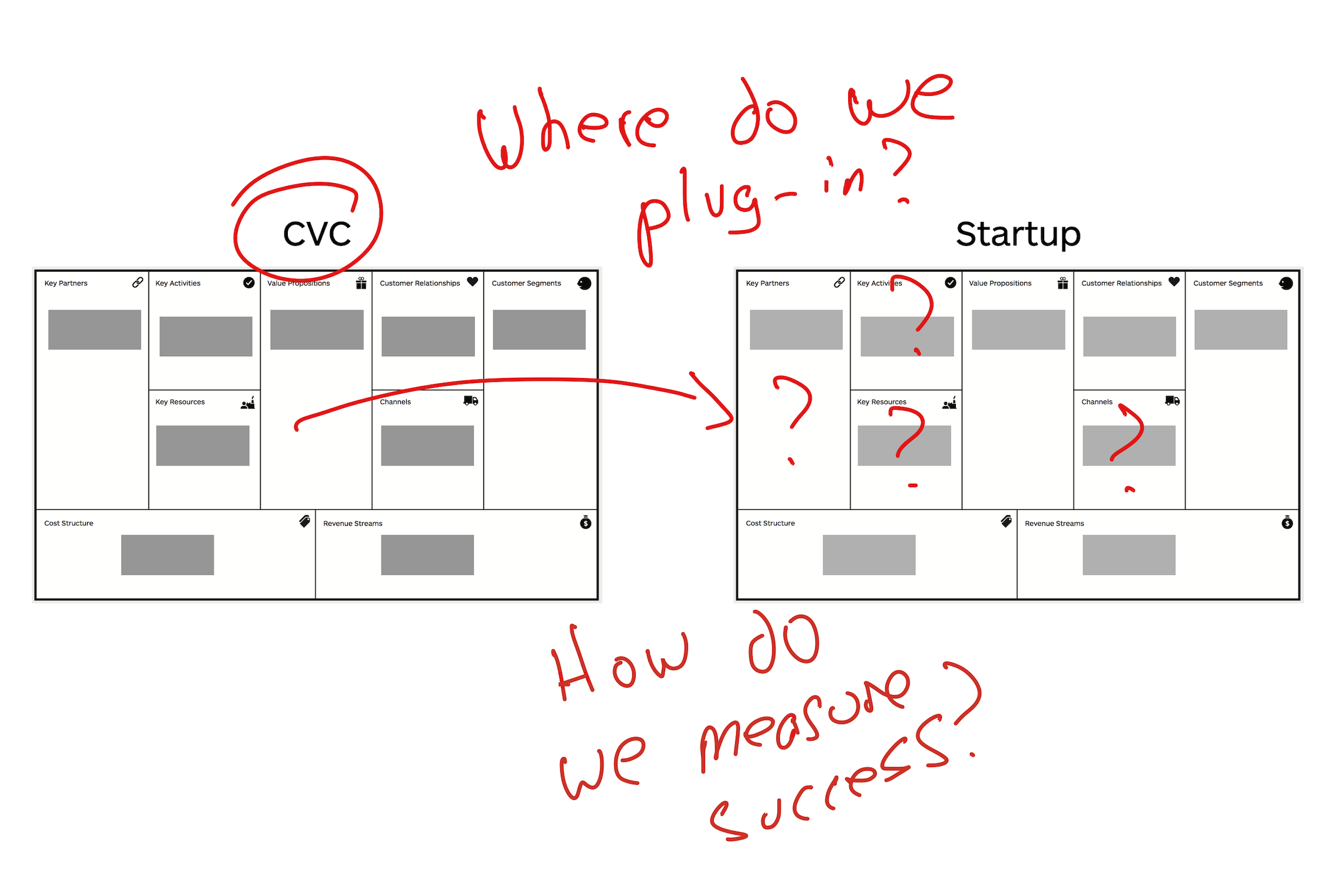
We assume that startup founders have a deep understanding of their business model, but my experience from coaching 1000's of startups in Silicon Valley over the past 10 years has been the opposite.
Founders focus too much on the product and not nearly enough on the business model.
It is hard to understand how you as a corporation can plug into their business model if they don't understand it themselves. Using something like a Business Model Canvas in a joint session with the founders can help bring shared clarity to the collaboration and how you measure success.
2. Run a joint Assumptions Mapping session to better understand risk.
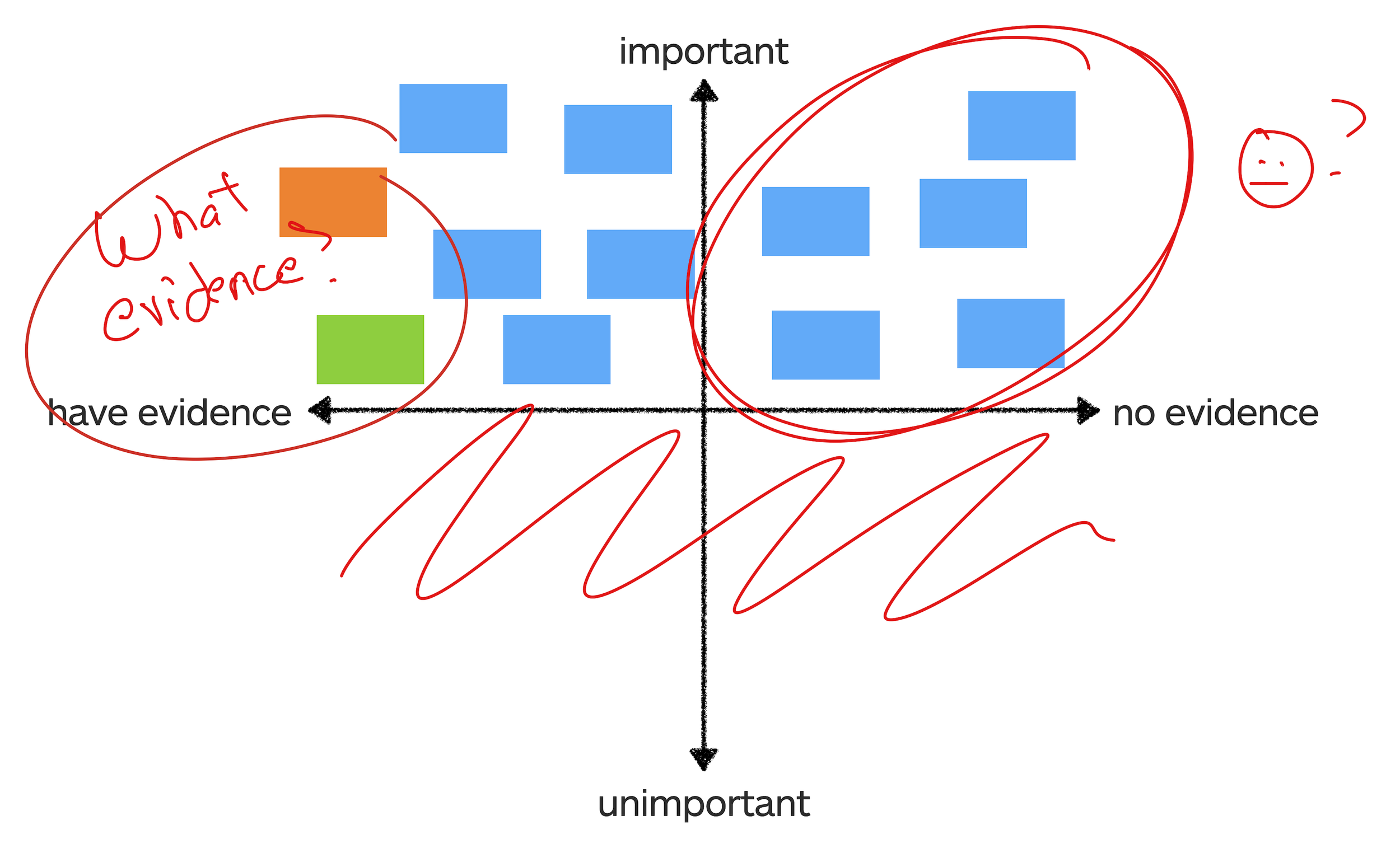
It's important to understand the thought process of the founders when it comes to risk. Do they have all of the answers? Are they aware of what could kill their startup and the partnership? Do they have a plan to address any of this?
Get into a room with the founders and map out their riskiest desirability, viability and feasibility assumptions. Think of it as part of your due diligence. It could be a red flag if they are only focused on feasibility and haven't spoken to customers.
3. Run experiments to inform the MVP.
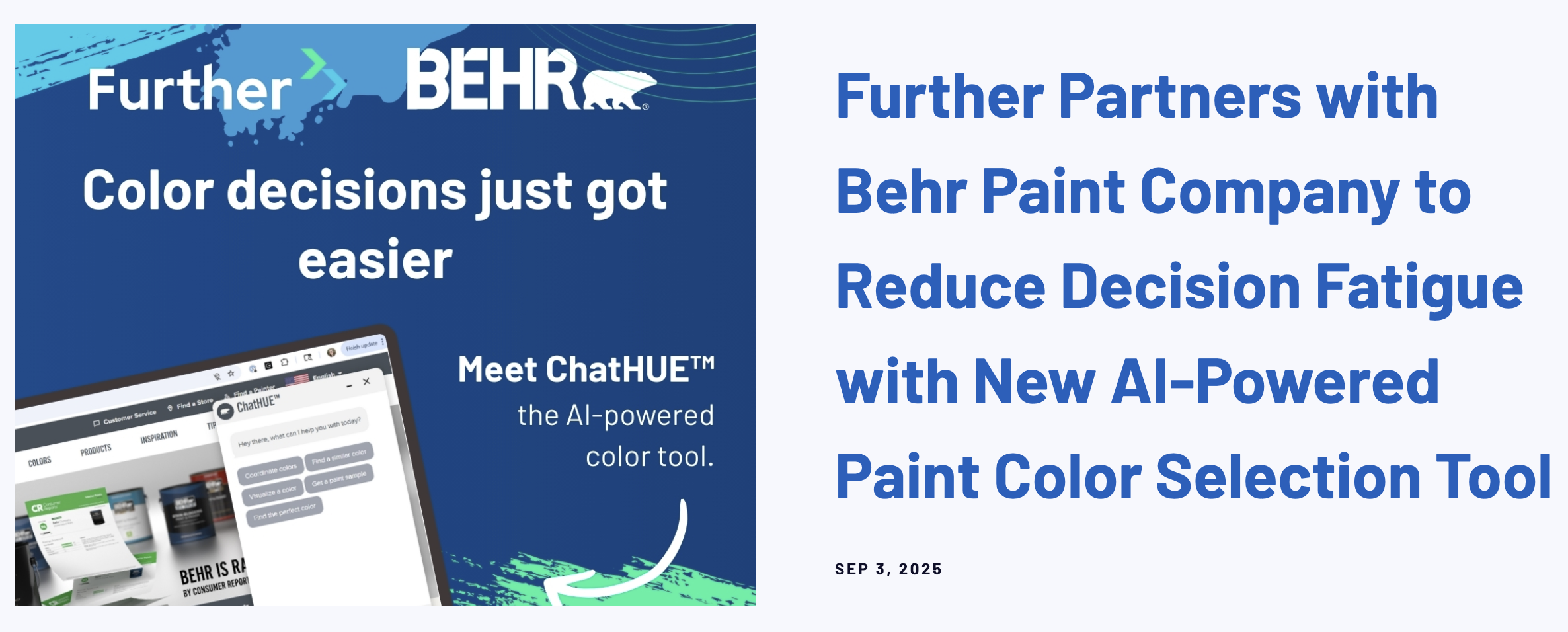
Don't focus on building an MVP with the startup right away, but instead think of smaller experiments you can run that can inform the MVP. What tests can you do as a CVC team vs the Startup? How would you determine whether to build or buy?
One of the recent examples I like is from Behr and how they partnered with a startup called Further to develop their ChatHUE MVP. Before they jumped to an AI color picker, they understood deeply a real pain around the decision fatigue for choosing colors for a paint project and had run multiple experiments to inform the design.
Testing before you invest is key to making build vs buy decisions.