Maggie Baker | How I Tested Clothing Subscriptions
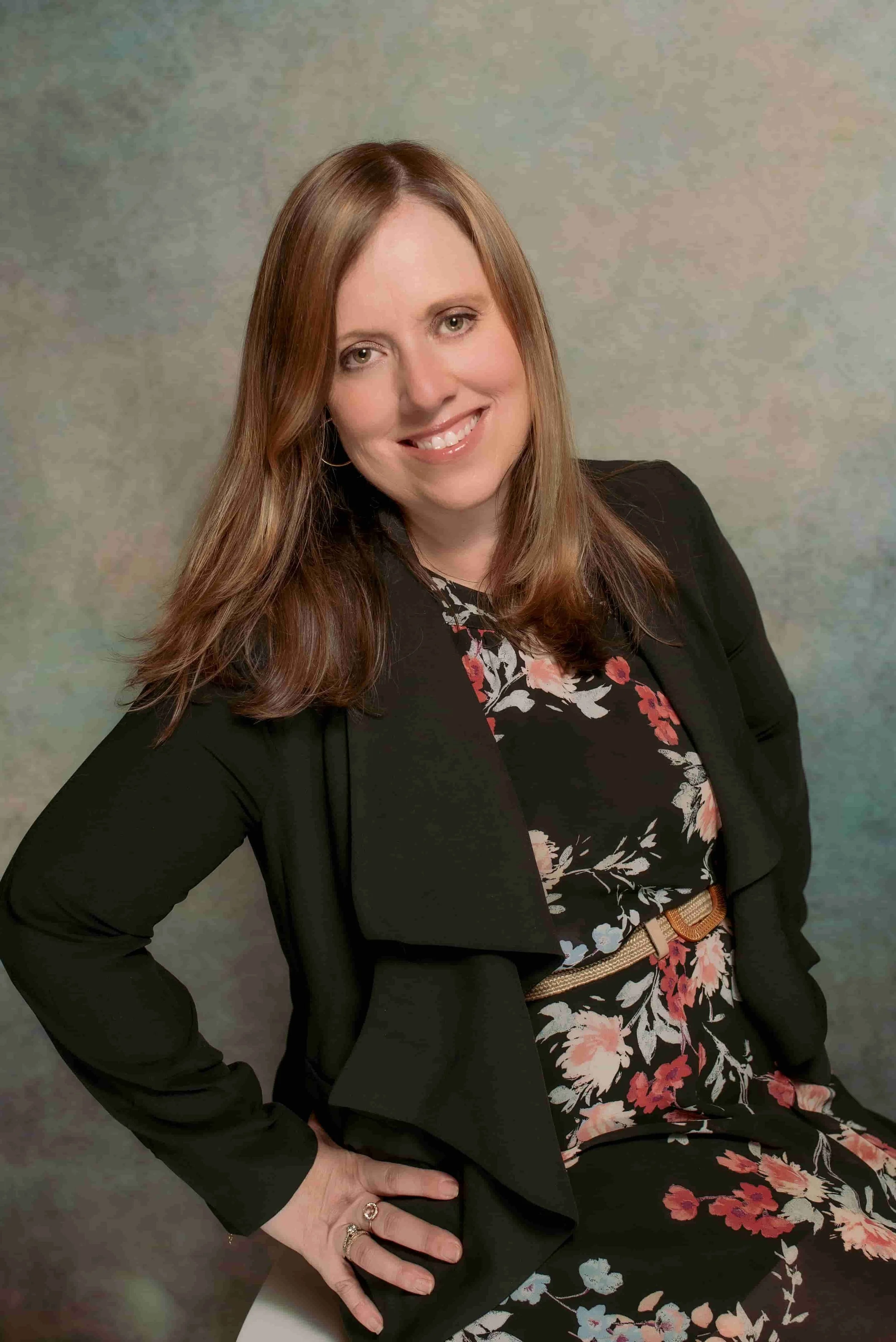
Maggie Baker - Founder of Threadeco
In this episode, Maggie shares how she tested her early MVP with a Google Form, hand-packed boxes, and no real payment system. Now her business is thriving and we discuss how to test retail, styling and clothing subscriptions.
Have a Listen
Summary
In this episode, I’m joined by Maggie Baker, she’s the Founder of Threadeco, an eco-friendly clothing company rethinking how people discover, buy, and keep fashion.
Maggie talks about how she started with a high-end fanny pack business that landed some serious celebrity traction, but still failed when the economy shifted in 2008. That experience taught her hard lessons about pricing, channel risk and adaptability.
Years later, she turned those insights into Threadeco, when she was inspired by imperfect produce boxes.
Maggie shares how she tested her early MVP with a Google Form, friends and family, hand-packed boxes, and no real payment system. Fast forward to today, business is thriving and we discuss how she is now blending retail, styling and subscriptions together.
It is a great conversation about learning the hard way, starting scrappy, listening to customers, and building a business model that can actually adapt.
Takeaways
A past failure became the foundation for a better business model. Maggie’s high-end fanny pack business got retail traction and celebrity attention, but the 2008–2009 downturn exposed pricing, channel, and adaptability risks she had not fully tested.
Testing does not have to be sophisticated to be useful. Threadeco started with a Google Form, friends-and-family beta testers, hand-curated clothing boxes, and manual feedback loops.
The first version of the model revealed the wrong customer. Early testing showed that customers who only wanted to try on many items and return most of them were not a good fit for Threadeco’s economics.
Threadeco changed the model based on learning, not imitation. Instead of copying Stitch Fix, Maggie shifted to a prepaid five-piece box with limited exchanges, creating a model that better fit her inventory, cash flow, and customer behavior.
The brick-and-mortar store became more than a retail channel. The store functions as a warehouse, styling space, discovery engine, and subscription acquisition channel.
Location testing mattered. Moving within Old Sacramento changed the business dramatically, showing how even a two-minute difference in storefront location can create a completely different retail outcome.
The next big test is integrating physical retail, subscriptions, styling, and tech. Maggie is exploring an app that connects customer style profiles, boxes, in-store experiences, and stylist recommendations into one ecosystem.
Guest Links
Maggie’s LinkedIn: https://www.linkedin.com/in/getajobla/
Threadeco: https://www.threadeco.com/
Transcript
David J Bland (00:01.232)
Welcome to the podcast, Maggie.
Maggie Baker (00:03.288)
Hey David, thank you so much for having me today.
David J Bland (00:06.128)
I'm so excited. I've been looking forward to this conversation. I have to share with our listeners how we were connected. So my wife was shopping, and she went into one of your stores and started talking about, you know, it was really interesting what you were doing and everything. And she learned about your business model, and then she like rushed home and was like, David, you have to talk to these people. And I I was like, Really? I don't know. Like I usually don't just, you know, reach out like that. And she's like, No, no, it's really cool business model, what they're trying, and you should check them out.
And then we got connected and I thought, This is such a fascinating story. I wanna share it on our podcast. So I appreciate you so much for kind of like the stars aligning in in and you joining with us today.
Maggie Baker (00:43.074)
Yes,
Maggie Baker (00:47.124)
Yeah, absolutely. No, I know I got that message and I thought, my goodness, if someone actually visited the store and loved us, I'm one hundred percent gonna talk to him and get in touch because they must know something about what we're trying to do. And so I know. That's great. That's one of the reasons we have a store. So
David J Bland (01:05.87)
I appreciate it. I appreciate it. So let's maybe before we jump into a bunch of stories as far as how you ended up in that store and your journey and testing along the way, maybe give a people just a little background on yourself and you know, what you're up to.
Maggie Baker (01:13.048)
Mm-hmm.
Maggie Baker (01:19.446)
Sure. Well, I think I've been living two parallel lives, I would say, for the last 20 years. I worked as
a recruiter in the entertainment industry and did learning. So I was an HR for 20 years. So that definitely could be an entire podcast in and of itself of the stories along the way with hiring and hire gosh, just so many things. But I've always been a hustler. I've always been an entrepreneur since I was a a kid, a little kid. I was the one down at the end of the street with the lemonade stand and not just selling lemonade but trying to, you know, figure out other ways, toys, what could I sell? Like
it's just in me. So I've always I've been probably the side the OG side hustler even before it was had had a name. I always had a thing. So I lived in LA for about 20 years and I was working in HR and trying and hustling at that and then always had it had a side kind of business as well. So my first one was in 2007. It was a line of fanny packs high-end fanny packs and then that brings us to
my current gig, which is the Threadeco business, which I actually have now stepped into one lane only and I am full entrepreneur now since twenty twenty two. So yeah, that's me. I know.
David J Bland (02:41.466)
It's such a winding journey. I imagine, you know, we talk to other guests and we talk about, you know, when they make, you know, I imagine going from HR and recruiting into almost like retail at this point or a subscription, and we'll get into that. You know, I at at first glance it looks very disassociated. It's almost like, those are very two different types of things. But the way you talk about it, even just now, it it feels like there are things you've learned
Maggie Baker (02:53.25)
Mm-hmm.
Maggie Baker (02:59.959)
Right.
Maggie Baker (03:03.553)
Mm-hmm.
David J Bland (03:09.73)
in recruiting and in HR that kind of translate across whatever you're doing.
Maggie Baker (03:10.018)
Sure.
Maggie Baker (03:15.476)
Absolutely. One hundred percent.
Honestly, if you're not able to recruit people into your business, you're not gonna have a business. Like you can call yourself a entrepreneur and that's fine and that's great. I mean, you are, you're trying to you but without customers, you're not a business, right? And so you are literally recruiting people into your into your world. That's that's I think the number one job is to is to get sales after having a good product. So I think you know, there were a lot of times where in recruiting I really had to think outside the box.
and be scrappy or, you know, whatever it was to get that right candidate. so I think a lot of that is set me up for success in this current business. I'm not afraid to do the hard work, do the direct reach out, do the, you know, whatever it takes, postcards, sending email after email. Like you have to, you know, and so recruiting definitely gave me a lot of
a lot of chops that I take over into my business now for sure. And we don't have a huge team yet, but I'm sure HR will come in as well once we start to grow, you know, having all that experience also. Cause HR is a lot about, you know, making sure your employees are happy. And if you don't, you know, I mean, ultimately you want to I wanna have a workplace where the people that work with me, they wanna
David J Bland (04:17.719)
I like that I never thought about it.
Maggie Baker (04:37.119)
love what they do and come to work every day. So I do think about culture a lot and w how are employees growing, how are they, you know, evolving. and we've had some pretty great success stories, I will say, with our current business, with people that have come to us as like interns. And now they're just like, they're very different in the in the year or two years they've been with us. So yeah. Anyway, definitely parallels, always.
David J Bland (05:02.893)
I I've never thought of it that way as far as recruiting your customers and recruiting business. I've you know, I've heard a lot of different framings for that over the years, but recruiting is it it just makes so much sense, but it wasn't obvious to me. So I thank you for that. I'm wondering I'm wondering back in your when we started this, you mentioned fanny fanny packs, I believe. So, you know, going into that
Maggie Baker (05:06.295)
Business. Mm-hmm.
Maggie Baker (05:14.082)
Mm-hmm.
Maggie Baker (05:17.839)
Yeah. Yeah, absolutely.
Maggie Baker (05:29.558)
Mm-hmm.
Mm-hmm.
David J Bland (05:33.677)
What were some of the you know, what were you trying to do? What were some some of the things you were testing? Explain a bit more about that story for us.
Maggie Baker (05:36.929)
Yeah.
Maggie Baker (05:40.552)
Yeah, that's a wild story. I yeah, I mean, that was really my first baby, my real first business in the sense of I'm gonna really do this. Cause as an entrepreneur, I think entrepreneurs out there can attest to this and can you just the ideas are coming to you and you just have that that drive. And so it's like you kind of decide, well, you know, for me at least, I always have I'm having these ideas. And this is the one that just kept coming to me. It was the fanny pack. And I didn't want to call it a fanny pack. You know, you think of fanny pack.
You think of like early 90s tourists with going to Disneyland with the neon. I was like, I wanted to be cool, right? But I it was in my
I was in my late twenties. I was traveling a lot, concerts, and I'm like, I lo I lost my purse one time. I had to get all my credit cards re you know, I had to get everything redone. And so I was like, I want a cool one. and they didn't really exist. And so I went into doing the whole thing and I had to go find a supplier down in LA. No one was working with leather at the time. So I had that was a whole thing. And then I had to come up with a prototype and then I had to
Go ahead and market the pro and then try and get it into all these stores. I was at one point in over a hundred stores. We were on celebrities as well. I had a lot of celebrities wearing them. So you know, there was a lot of success with it, but I didn't test it. I just had this blind ambition that I'm just gonna keep going and it's gonna just keep. But ultimately, what happened there is in 2009 the economy crashed and our
Bags were expensive because we were making them in LA, they're premium. And what I didn't really think of before really diving into this so high is whether people would be able to handle the price point. Now, 2009 was definitely kind of a test at everybody, but still I should have
Maggie Baker (07:38.658)
gone. I know this is cool. I or I think it's cool. I think it's a cool design, but are people gonna be willing to spend a hundred and sixty dollars or a hundred and seventy for a a high end fanny pack?
Some people are, you know, or even in the two hundred range. But that ultimately is what killed us is cause during that time retailers were really, really buckling down on what they knew was working. And I literally went to a trade show and I got a whole bunch of orders and then they started calling me canceling because the banks had fallen and I'd bought all the leather. I had I mean, I'm not kidding. I was out thousands and they're like, I'm so sorry. I just I can't do that order right now. I have to and that's that's what really what
me in but had I tested a little more honestly I think that I would have maybe saw the writing on the wall with the price point of what I had to make it for and what I had to sell it for, you know. So yeah, it was a wild story, but
David J Bland (08:34.423)
Jetzt
Maggie Baker (08:35.519)
a lot, a lot of learning, a lot of growth. I had that business for three years and I was doing it. I had a factory, I had sales reps, I mean it and I did quit my job in entertainment for about a year and a half. So I was full time in it with that with that one. So yeah.
David J Bland (08:53.423)
I mean, you say test I mean, obviously we look back in hindsight, we could say, yes, we could've tested that, you know, and there were assumptions there we didn't we didn't consider. I think one of the things that makes it really challenging is, you know, things like two thousand eight, two thousand nine, you know, and the economy. I remember I I've done a I've I've done so many workshops, like business modeling workshops with startups and you know, I'll I'll be in a room and one'll say, yeah, we're
Maggie Baker (08:57.815)
Mm-hmm.
Maggie Baker (09:07.533)
Right.
David J Bland (09:19.161)
we're really resilient and another one be like, no, we're we're really fragile. You know, if so certain conditions change, our whole business model unravels. And I think it's tough, you know, I I usually, you know, I talk about this a lot. We talk about these kinds of risk and we talk about desirable, viable, feasible. And we say, okay, you have desirability risk around your customer and your market. You have viability risk around, you know, cost and revenue, and you have feasibility risk on your ability to deliver. And we try to break it down because we're trying to get smaller pieces to go test.
Maggie Baker (09:22.005)
Mm. Sure, yep. We'll collapse, yep, yep.
Maggie Baker (09:36.673)
Mm-hmm.
Mm-hmm.
Maggie Baker (09:48.256)
Yep.
David J Bland (09:49.078)
And one of the things my co author Alex Westerwalder always mentioned was like adaptability. Well, how adaptive is your business model? And I do think that's something worth calling out. Maybe it's not its own test, because I think I don't know, we c you think about how you test for adaptability. But this idea of are you building a business that can be adaptive? you know, because market conditions change, you know, it's it's it's in hindsight, it's really obvious, but in the moment it's not. It's not.
Maggie Baker (09:57.602)
Mm-hmm.
Maggie Baker (10:11.264)
I mean honestly, yep.
Maggie Baker (10:18.29)
It's not, no. And especially because you you you you hear like you gotta just kind of follow the path, right? So if you're following that path, whatever that path may be, for us it was getting in retail stores that, you know, this is two thousand and eight, right? So online shopping was a thing, but it certainly was not a thing of where it was now. Nowhere near it. It was basically Facebook kind of coming on the map, right? So
you know, you gotta push through with your plan and just kind of do that. But that being said, I will say in our current business that we have now today, I really did make sure to diversify because I did never wanted to be in that place again where there wasn't like if one thing failed, there was that's you know, if one part of the business failed, then we're totally toast. Or if one product doesn't work, like, you know, you diversify different ways you do your business, then you
set yourself out for more you know, you like you said, you have more confident pillars there. You know, and it's not always feasible for every business, but if you can, I think it's a smart a smart thing because we will have slower days in our store, busier days this or that, and it all kind of will play together, you know. So I think that's important.
David J Bland (11:17.507)
Yeah, online shopping was not
David J Bland (11:31.312)
Yeah, I'm thinking back to that time in retail. I mean, I think Polivor was just getting started where they had the little collages and you could click on a picture and then go buy the thing that you saw a celebrity w wear. And then that obviously they were kind of an early adopter there and you know, other people like Instagram and and Snap and other folks I remember like started piling in on that eventually later. But this idea of channels
Maggie Baker (11:39.264)
Yeah. Mm-hmm.
Right. Wearing. Mm-hmm.
Maggie Baker (11:52.437)
Right.
Maggie Baker (11:56.171)
Mm-hmm.
David J Bland (11:59.256)
I mean it felt like you had a very specific channel there with high income you know, in i i in SoCal for the most part. Were your re were your stores beyond SoCal? Like where where what kind of like
Maggie Baker (11:59.465)
Mm-hmm.
Maggie Baker (12:08.374)
Mm-hmm.
Yeah, we were nationwide. I had a rep that was covering all the different territories in the US. I mean I had like a an East Coast rep, I had a Hawaii, yeah. So we were we were in multiple different stores. Mm-hmm. Yep. Yeah, it was learning, a lot of learning. Mm-hmm. Yep.
David J Bland (12:25.187)
Yeah. And so having that so in a way you had a really specific type of customer, but then when something like the economy starts to crash basically, I mean, what would have you done differently? Like when you look back, like what what are some things you've thought of since then?
Maggie Baker (12:37.536)
Yeah.
Maggie Baker (12:41.804)
gosh, that's so interesting. I, you know, I don't know to be well, I would have focused a lot more on I did focus a lot on the celebrity and the PR angle of things and just kind of the flash of that. I think I would have definitely looked at my numbers every single day. Like, what do we need to hit? Like I was very and I am kind of a just a big picture creative, but now I look at our sales every day, right? And if something comes up from a PR or something or the great.
That's wonderful, but I'm not chasing that. And I chase that a lot. I chase like what celebrity can we get it on? What
PR and I was I was really hyper focused on that versus like how many bags do we sell today? Right. I thought that that would follow from chasing the big thing. But I think what I realized is yeah, the big thing can help or it can be nothing, right? and so you gotta just every day just not look at like the the big thing, look at your just exactly what's going on in your business. What are your numbers saying? What do you got to hit and how are you gonna do that? You know, and so I'm a lot more hyper focused on.
Not now than I was then. Yeah.
David J Bland (13:52.291)
Yeah, I think having a big vision is good. but also doing the day to day, like the attention to detail on the day to day also matters to to achieve that big vision.
Maggie Baker (13:55.059)
Yeah.
Maggie Baker (14:00.723)
Yeah, and and and and just not to be afraid to just look at like not to look at sales for sales sake, like doing, you know, I need to get this many sales and just kind of figuring that out versus trying to rely on something else to get you that sales, you know, like going back to that recruiting thing. I need to just be very focused on one step in front of the other to get get the dollars and know exactly what they need to be every day. So that's that's that's something I really learned. I'm really grateful for that business. It brought me to my current business and my current business is
so much of a bigger exciting thing to me than bringing the fanny pack back, which was exciting in and of itself. But this one for me is solving more of a bigger problem, like a bigger societal problem. And that really excites me. So, you know, I I have gratitude for that business for sure.
David J Bland (14:50.018)
Yeah, I think we we all learn from from stuff like this in the past. And let's fast forward a little bit to your current venture. So maybe give us a little high level of what you're doing now and how what you've learned kind of informs this, what you're working on.
Maggie Baker (14:56.361)
Mm-hmm. Yeah.
Maggie Baker (15:06.163)
Yeah, so I so we own a we own a clothing company, which is called Threadeco. And the name essentially
explains the business. We're an eco-friendly and an econom and sorry, an an eco-friendly in terms of the environment and an economically friendly place to get your threads. So Threadeco like art deco. People have a hard time pronouncing it. So I'm hoping that as we get more Threadeco, threadco. Anyway, thread echo. So and
That business consists of a subscription box service, a monthly subscription box closed, sent directly to your house, similar to like a stitch fix or a wantable. we have a brick and mortar store in Sacramento, which is where I met David's lovely wife. and then some online shopping. So that's us. And essentially what happened is one day I was down at my
Factory in Los Angeles for the bags. And I looked over and I saw this huge warehouse. And it said, cheap, you know, cheap clothes, whatever. I can't remember exactly, but basically tons of cheap clothes. So I walked inside, and I'm not kidding, there were thousands and thousands of clothes in there. tags on, brand new, beautiful clothing. And I'm like, what it what is happening here? And they were just in piles, like they're in what's called pallets, right? Just these huge boxes.
So you're just digging through these clothes. So I was like, what? This is some sort of crazy gold mine. So I started shopping there. I shopped there probably for about 10, 15, 10 years on my own. And people would compliment my clothes. I never, it was like my little secret. I'd go down there, like, you know, basically with a disguise on, go through the go through the bins, come back with these amazing outfits. And people are like,
Maggie Baker (17:03.391)
Whoa, that's so cute. And I've just say, thank you. You know, I got it at a boutique. Whatever. I did not tell them. And so then I just shopped there for a long time. I never really thought of it as anything else but my own little playground, right? Then during the pandemic, my we know, we were getting everything delivered and my son and I were doing the imperfect produce. So it was the surplus or, you know, maybe an odd-shaped
tomato or or carrot that was had two heads or whatever. And we loved it. We loved getting these boxes because we knew that this was surplus. We knew this stuff wasn't going to be sold 'cause it just it what didn't meet the quality of the
the grocery store. and it was funny to see what would come in there. What was it going to look like? He was four at the time. So we loved to see like what's this carrot canalized. And and it was a four, it was so affordable. So we knew we were getting organic fruits and vegetables for like a crazy deal. And I'm like, and that's where it hit me. I was, I, I was like, this is what I want to do. I want a clothing subscription box like this fruit one, you know, to be the closed version of that.
And that was that kind of aha moment. I was like, that's a bit, that's a business. Like, that's a real, that would be awesome. Like I would totally love that. I love a good deal. I love the convenience and so on. So that's that's how it was born. It really was born out of the fanny pack business. So I believe that that happened. Like it happened for a reason. I truly do. and yeah, that was four years ago, and now we have a store and all the things. So
David J Bland (18:36.994)
I like how that started from almost like a personal experience, right? So some personal hardship. Then you found this like little gem that you kinda kept to yourself and then you
Maggie Baker (18:39.026)
Ha.
Yeah. Ugh. I loved it.
David J Bland (18:47.2)
It it's almost like you maybe this is like your recruiter background or or just your entrepreneurial childhood, but it's almost like you're cross pollinating a bit here, you know, like 'cause we also subscribed to Imperfect Foods for a while and my kids were similar. They were like, let's see like what this onion looks like and and we knew it was all gonna get it was gonna get thrown away. You know, like it wasn't it wasn't it was gonna be waste and we thought, Yeah, we get a discount and maybe it doesn't look exactly like what we would buy in a store. But I mean yeah, yeah.
Maggie Baker (18:52.605)
Yeah.
Yeah. Mm-hmm.
Yeah, it's awesome. Exactly, exactly. It was gonna be waste.
Maggie Baker (19:12.255)
Taste the same.
David J Bland (19:15.896)
But making that connection is really interesting.
Maggie Baker (19:15.923)
Yeah, I think my brain does draw I know, my brain does draw a lot of really parallels. It's funny you say that because sometimes I'll make these analogies and my husband will look at me like, what? Like how are you drawing that with that? Like I guess, but and I'm like, in my mind it's so clear, like this and this or you know, and they're kinda wild. So yeah, I think that's just the kind of the way my brain works, perhaps.
David J Bland (19:39.279)
All right, so you had the the kind of epiphany, like the way your brain works. You connected these two and said, Wait, I think I could source clothes in a different way that are gonna be potentially end up being waste or thrown. So explain like the thought process of how that started. Like what what did you do to get that even to see if there was any sort of business there?
Maggie Baker (19:43.071)
Mm-hmm. Mm-hmm.
Maggie Baker (19:50.549)
Throne.
Yeah.
Maggie Baker (20:01.556)
Well, I learned a little from the first time in terms of the fanny packs and just going, you know what, you gotta really see. Like you think this is really cool, but like if you send people clothing that they didn't pick for themselves, you know, is that gonna work out? How you know, how's that gonna go?
Is it viable, et cetera, et cetera? And and not to mention, if I was gonna really do this, it's we were gonna have to have a lot, we we need a lot of clothes. I mean, it's a little different than we have a ton of carrots left over from let's say imperfect foods. We have all these carrots, everybody's getting carrots. You know what I mean? That's not the that's not the same as a business where you're talking about sizes, you know, you're talking about preferences. Do you want a shirt? Do you need pants, etc.? So
I was like, if we're gonna really do this, it's gonna be a lot of infrastructure. So I ha we have to we have to try it out. So that's what we did. We started going down and slowly building our inventory from that in the beginning, that one place.
And I don't mind giving them a shout out now because they're really popular. I was trying to keep them my little secret for a while, but now they're huge and I'm glad for them. They're amazing. They're called the $2 clothing company. Everything isn't $2 anymore, but but still. So anyway, so I was driving down there with my husband down to downtown LA, and we were just starting to br build inventory, just good pieces. We'd come back with trash bags, literally, put them in our garage, cleared our garage out.
And then we started a friends and family beta test like crazy. We just did a simple Google form. What kind of clothes are you looking for? Do you want small? Do you want medium? What are looking? And then now this is the crazy part. We would just send them a box with no payment. We would just hope that they that they would pay us because we didn't have a really good system set up at the time for capturing credit card and not.
Maggie Baker (21:58.387)
charging them that kind of thing. So we just were like, well, it's friends and family or referrals. We're gonna hope. And we never, we never got n no one ever stiffed us. Nothing bad ever happened once. But that was a little wild test because we were just sending clothes across the country going, Well, hope we get paid. I mean, talk about so
David J Bland (22:09.955)
Wow.
Maggie Baker (22:22.162)
Yeah, we did it was it was small scale. We're only sending a few at a time and then we'd get invoice that, you know, so it wasn't like we send them all out at once. It was kind of an ongoing and kind of growing thing. but yeah, that's how we did it. We just tested to through Google form what they wanted. I picked the clothes, sent it out, and then asked for their feedback. and it was a wild test, but we learned that people loved it, like they really loved.
They lo they were like, How are you get like these brands are crazy and this price is crazy? And I'm like, Yep, well that's the overstock and the you know
David J Bland (23:00.152)
So what did you learn from that? I imagine you learned some things doing that by hand, like hand curating with your Google form and shipping. Like what are some big aha moments from things you maybe didn't expect?
Maggie Baker (23:05.054)
So much. my gosh. I mean, there was a lot of like 80s music going on in the garage with like long hours of my son coming in and like jumping in the clothes. I mean, honestly, it is a pretty like wild story. But I would say what I learned is first of all, we completely flipped our business model when we decided to really launch it.
And what I learned is a lot of people do really like to get so at the time we were doing the kind of the model of some of these traditional ones where you just pay a styling fee and then you get to send back. So what I really learned the most thing is that wasn't going to be workable for us. We were not, as we grew, we could not send out a hundred boxes and send five hundred pieces across the country and know whether it was actually sold or not. I for a bigger company perhaps, but you're a small brick, you know.
Like we are. It just was too risky, much too risky. Especially we weren't getting paid. But again, I mean we were getting paid, but we were getting paid after the fact. But we said, you know, even as we grow, we don't want to do that way because it's too volatile. We learned there were a lot of customers that just liked getting all the clothes and seen and maybe taking one thing, sending it all back.
I think that's a lot of the people that do some of these home subscription, they're really kind of maybe picky and they like having a lot of options and being able to really drill down. That's not really our person. That's not gonna, we're not gonna make that's not gonna keep us in business. So the main thing we shifted from that is you pre-buy now five pieces. so that's a big change. but it has allowed us to really weed out some of the customers that really weren't our person. they again, they just like kind of seeing things come in and maybe we we
the people that are really wanting to grow their wardrobe, maybe they've gone through a life change, you know, they got a new job, they lost a lot of weight, whatever it is, we're looking for people that are a fit for our model. And we now have those people because of that test. Now had I just gone out and done some big Instagram thing and I'm gonna send clothes all over the country, you know, we would have learned but it would have cost a lot more.
David J Bland (25:18.584)
You know, I think that's very fascinating to hear because you s when you look at like Stitch Fix, right? It you could have been, we're like Stitch Fix for whatever and and kind of done exactly what they do, but maybe s slightly different spin on it. And I like that instead you are really listening to your customers and making these kind of informed decisions based on what you're learning and hey, maybe our maybe our customer isn't your average sticks.
Maggie Baker (25:33.535)
Right.
Maggie Baker (25:41.854)
Mm-hmm.
David J Bland (25:47.502)
you know, stitch fix customer. You know, it's we want a different experience. And I think it's easy to get caught up in looking at all these successful, like quote unquote successful companies. And a lot of them are VC funded, by the way. Like I do a lot of work in the valley and, you know, a lot of things get funded, you know, even Imperfect was took VC money. And you think about it's almost like, well, I'm trying to be scrappy and start something from really small and something I'm passionate about.
Maggie Baker (25:50.226)
Uh-huh.
Maggie Baker (25:56.817)
Right.
Sure, yep. Mm-hmm.
David J Bland (26:16.161)
And then I'm gonna copy the model that some VC funded startup that's already scaling is using. It's just like it sounds crazy when you say it out loud.
Maggie Baker (26:21.755)
Yeah, that is using. Like that's not no, it really does. You think about it, you're like driving a like a little bicycle on the side of the freeway and they're in like a Tesla. Like you have to not, you know, you can't put yourself it's like, you know, that whole analogy of starting someone else's journey and just thinking, but they're like on lap twenty and you're on lap one. Like you have to, you know, you have to be aware of that. And and also I think it's it's
You know, people understand like we're a small business and if they really trust us, then they trust those five pieces. Now you're able to do some exchanging. I want to be clear about that. You don't you're not stuck with these five pieces. You're able to exchange two pieces per box and then you get alternate. So that
And and honestly, there's no other box model doing it this way. So you have kind of the stitch fixes and the wantables on this side where you pay the styling fee, you know, you get the pieces, keep what you'd want. Then you have the rental side where you have rent the runway, you have newly, you have all of those, armoi. And those ones you pay a a fee and you the clothes come to you, right? But you have to send them back. So we're actually trying to pull more from this target demographic over here, the rental side. Because the rental side are already comfortable with.
that hundred something a month and they're sending their clothes back. And so we're saying, hey, come to us and then keep close. So that we found was actually we were kind of in the beginning trying to like maybe we're gonna try to kind of compete with Stitchicks. Now we're kind of trying to pivot ourselves a little bit more on the rental side.
David J Bland (28:00.034)
Yeah, I I think that's that's an that's smart. I you know, I've been trying to explain this concept. I'm always careful of how much I voluntar you know, borrow from military techniques and all that. But one of the things that I learned back when I started kind of using like scientific method applied to business and all that was this concept of like an oodle loop and it's based off of Boyd and kind of like the movie Top Gun, you know, that's a bit like Boyd's system. But this idea of like observe, orient, decide, act and the the the
Maggie Baker (28:23.687)
Mm-hmm.
David J Bland (28:29.399)
The way I try to apply that to business is look, if you're really deeply learning and observing about your customers and the like getting feet willing to get feedback from them, looking at the environment, looking at the, you know, marketplace and all that, and you make a decision, you act, and you're and you're just kind of like going through that loop with your business, then you're kind of almost like less concerned about what your competitors are doing. And you're just trying to serve your customer as best you can and taking those insights and
Maggie Baker (28:36.039)
Right.
Maggie Baker (28:48.264)
Mm.
Maggie Baker (28:52.787)
Right.
David J Bland (28:58.999)
putting them action and growing. And I think it's easy to get caught up against all the competition out there and saying, like, well, Stitch Fix is doing this. We should probably do this. And it's almost like you're copying copying the the what, but you don't know the why. You don't know why Stitch Fix is doing that. And it could have been like a horrible decision they made in a meeting room where like the highest paid person's opinion won out. And you have no idea if that was rooted in a customer need, you know, and and but but I see this happen all the time.
Maggie Baker (29:01.011)
Yeah.
Maggie Baker (29:12.793)
Yeah, exactly.
Maggie Baker (29:17.811)
Totally. Yeah.
Maggie Baker (29:23.955)
Well don't they say cons yeah, yeah, yeah, absolutely. I I mean they say compare c comparison is the the thief of joy or whatever that expression is. And comparing yourself or trying to
you know, do someone else's thing that worked. You gotta yeah, that's I mean, you can look at like you take points from it, but you really do gotta listen to your customer. I mean, when you're doing that, you're living in alignment with your own business, your own rhythm, your own thing, you know, and growing it from a like a place that feels like you. And and that's what makes these other businesses so you know, that's what made Stitch Fix successful is they were doing their thing. So you gotta do your thing, right? Don't look at their thing and try to apply it.
to yourself. So yeah anyway. But it's it's it's hard though. You know, you see all this success and it's it's easy to do. Go on and just kind of well, you know, but anyway. But yeah, we try to remind people like we were trying to be how was that?
David J Bland (30:18.679)
Yeah, I've played in fashion a bit.
I was saying I I we played in fashion a bit, you know, I think we were talking about this even before our our podcast where the you know, it's you learn so much. I I mean, I'm not an expert in that realm, but when every time I'm get pulled in to do some testing, you know, we would do testing with women and like women's fashion, and we would have women on the team and yet we'd still learn
Maggie Baker (30:26.748)
Yes, that's right.
David J Bland (30:47.127)
you know, all these unexpected insights from testing with the testimonials and like, I like this but not this and then it's like, wait, we have to actually have sub segments here, different types of of of demographics. And I it's really interesting to me, one of the things we did back I was mentioning this I think to you in passing as well. You know, we were testing like fruit, like shapes of fruit and vegetables as like body types, you know? And it
Maggie Baker (30:57.353)
Maggie Baker (31:12.538)
Yep, I remember. Yep.
David J Bland (31:15.777)
We hired we hired models, we did a photo shoot, we had our like MVP up and people would select. But it was just at the time, this was a while ago, it was so disruptive as far as the way you normally go in and make a purchase for for your clothes. It was like, Wait, I'm maybe I'm this kind of fruit or vegetable and well, I like the way that looks on her. I wanna try that. And it was just kinda rethink the experience because
Maggie Baker (31:20.627)
Yeah.
Maggie Baker (31:24.765)
Mm-hmm. Mm-hmm.
Maggie Baker (31:33.149)
Right. Mm-hmm.
David J Bland (31:45.385)
Almost nobody we talked to enjoyed the existing retail experience of buying clothes and trying them on.
Maggie Baker (31:52.815)
No, and you know, we've started doing in-store styling now. So we do the style boxes, but we also style, do style appointments in Sacramento. And they've become very, very successful part of our business. And I l I actually really love them. And I will say it's exactly what you're talking about. They don't they're not, they come in not they're like, I don't know, I'm unhappy. Like I just I don't
I'm I'm not feeling good. I don't know what's out there. I don't want to shop online. I don't, you know, and I don't know, and they're just and they don't feel like boutiques are for listen, I don't want to die there, there is a disconnect, I think, right now, in terms of people feeling, especially after COVID, feeling a little lost about what to do and what to wear. And also what I've noticed is a lot of pre COVID, and now who am I? People have had babies, they've changed careers, they've moved, and there's this real identity change happening. And so a lot of women that have come in to see me.
We've done a lot of style appointments, probably, you know, a few hundred at this point. And I've noticed a real common theme. And it's, I was this person, I'm now this person. I don't exactly know how to fit this person who I am now. And they are, it's kind of that similar. They're looking out to the Instagram and the trends, but they're like, that's not me. Like the I see these things posted, but like I don't think I can pull off or want it. And so we really work on that style appointment to kind of hone in on who they are, you know. So like we don't do fruits.
We do it is very similar. We do flowers. I was telling you. That's how we identify their body shape. So are you a rose? Are you a lavender? And then we talk about their colors. But it really does bring their anxiety much down because they're like, like this is me. And now I can lean in to the clothes that fit me. And I don't have to worry about all that other stuff. It's just noise.
And it's become really interesting. Like I I've had people leave where there's these, you know, we we're hugging it out and it's like therapy, you know. There's I didn't realize they'd be so emotional for some people because I think we get into deeper things about like, well, I had a baby or my f my my clothes don't fit like they did or whatever it is. And and so it's like part styling and part therapy, I feel like. But yeah, fashion, it's interesting. It's definitely and we're in an interesting time right now. And we are working on an app, I was telling you, to identify those things as well. So yeah, good times.
David J Bland (34:19.959)
Yeah, I think it comes to I mean, it's so it's just being willing to test and try something different and then being open to the idea that we're gonna learn stuff and and maybe it doesn't work, but we're gonna learn and we're gonna use that learning and put it into action. And I'm wondering like when you started so you started with the Google form and shipping out and hoping you get paid. like how did that evolve? Like from there, like what are a couple of things you tried that, you know.
Maggie Baker (34:27.526)
Mm-hmm.
Maggie Baker (34:39.857)
Yeah.
Yeah, right.
David J Bland (34:48.897)
really were like aha moments where
Maggie Baker (34:48.924)
Well, we took a beat. We moved
Yeah, we we took a beat. We moved. We came up to Sacramento and we opened a store. So that was another kind of test. We decided if you're gonna have to have a w warehouse to store all these clothes, might as well have a brick and mortar store where people can come find out about us and learn and and that. And it's been a good decision. I mean, it definitely is one of those things where it takes a little longer to get that going and that's successful. So we took a pause from the box. We knew that the boxes were definitely always what we wanted to come back to and really scale, but we took a little beat to get the store.
kind operational. Then we really did a launch and we just launched in November actually. So it's it's very new the 2.0 version. But we found a really great platform that I love called Subly. Do a little plug for them. They're an amazing company and they handle everything. So you don't even have to worry about like recurring payments or anything. It's it's so seamless and such an easy to use platform. That solved a lot of my problems and a lot of my head
And then we changed the business model. We changed from the, you know, what we were doing to 157 for five pieces with an exchange allowed, two pieces per box. and then we just kind of used the store as a way to start the boxes again. Like we had a launch party, we invited a lot of local Sacramento influencers and a lot of press. And, you know, to them it was new, but to us, we were like, nope, this is how we started in our garage in LA with the form and all.
Maggie Baker (36:22.481)
that and they're like, this is such a great idea. I'm like, this was the the original idea, you know. but yeah, so we finally, I mean, again, it took a little longer, but we finally got back there and we and we launched a few months ago. And the nice thing is people are sticking with us with even with the new model. We've, you know, we're now on box like seven for some people and a lot of people are they're on their seventh box. And yeah it's been it's been really good.
David J Bland (36:48.46)
That's interesting. You mentioned almost and I I don't want to pause on this for a moment. So the the store being a way to r like re-energize and and begin your box subscription. Like explain a bit how that works, because I I don't think our listeners would have anticipated that.
Maggie Baker (36:54.225)
Mm-hmm.
Maggie Baker (37:05.095)
Put that? Well, here's the thing. With our overstock, this is how it went in my brain. If you're again, if you have carrots, let's just say you're doing imperfect foods and you have a a thousand carrots, you just need a warehouse. So just get them out. But with us,
You're styling people. You need to see everything. And it's one. It's a lot of one. One shirt, one shirt, one shirt in the same. I'm not dealing with like a hundred of the same shirts. I'm dealing with a lot of onesie onesies. So I was like, everything's gonna have to be ha hanging out and on display for me to style them. I'm not gonna be able to style people if it's all in boxes in a warehouse. That won't work. So if everything has to be hanging up and everything has to be on display.
Anyways, why not have a space where people can come in and shop too? Double down. It's like we were talking about earlier, where, well, maybe a subs, you know, subscription slows down for a month, but the store did really well. So it's also one of those double-down kind of things that I learned from the first business in terms of just having one lane of commerce. and that's also why we chose Old Sac. We wanted to be everyone's why'd you go to Old Sacramento? Why didn't you go to Midtown Sacramento? I'm like, well, we want new, we want new people that are coming from all over the place to discuss.
Discover us, go home and subscribe. And so, and it's really cool, David, because old sack now is getting way trendy. All these hip businesses are coming in, everybody's, and I'm like, uh-huh, I knew it. I knew it first, I knew it. And it's it's really exciting to see how old Sack, it's like even this summer, there's like 10 new businesses opening that are like a beer garden and a and a shaved dice, and just cool stuff, really cool. So, so yeah, I mean it has worked.
out for us and I would say the number one subscription comes through people coming in because they see the clothes, they love them. They're like, okay, I get it now. I see what you're gonna send me. Maybe it's gonna can I have that blouse and my first like they will literally point like can I please have that blouse or those pants and I'll sign up for a box. And I'm like, yes you can and I'll pull them aside. So it is our number one at the at this moment way we're getting subscribers. so it's worked but
Maggie Baker (39:21.093)
You know, it's also been a cost costly you know, warehouse, but we love it. We love it.
David J Bland (39:28.384)
Yeah, and also picking the location, we just had a a recent El a SoCal couple on who created like Puptique basically it's like retail pet retail and they talked about some of the like how to test opening a location and and they actually had some missteps there, you know. They thought this is gonna be a sure win and then they really didn't understand the neighborhood enough and those are very expensive mistakes opening a store somewhere that isn't in the right location.
Maggie Baker (39:38.181)
Yeah.
Maggie Baker (39:42.917)
Yes. Yes.
Maggie Baker (39:48.924)
Mm-hmm. So expensive. my gosh. My mom used to say to me, my mom actually, retail isn't is in my blood a bit. My mom had a store for 25 years, but she would literally say to me, location, location, location. It's everything. And you can be on the main drag of a street, or you can be right down the side. Like let's say you're on the main or you're down two doors, just two doors, and you're paying half the rent. And you're like, I'm just two doors down. You know, they're gonna turn the corner. I
It's half the rent. And they don't they don't turn the corner and you'd be better you know, so it's it's it is
We actually did have another store in another location, old sack. So we we've had two and it was dead. It was terrible. It was off the beaten path. It was at the end. It was unsafe. It was cheaper rent. And now we're right in the thick of it, right in night and day in terms of and the same district. You could walk from one location to the other in two minutes. but it it is literally night and day. We might as well be in an entirely different city. So yeah.
David J Bland (40:51.435)
Crazy. so I wanna wrap up with a couple things. One, you mentioned the app, and I'm curious just overall, what are some things that you're looking forward to testing? Some big like big assumptions for your vision. Like what are some things you're looking forward to over the next you know year or two?
Maggie Baker (40:55.205)
Mm-hmm.
Maggie Baker (41:08.869)
Just seeing how the app and I think I'm really really excited about technology and in-person commerce, how it's coming together. So we really hope that the app can tie together the box experience, the store experience, and really create like an like an ecosystem. And I I've been following a lot of different people talking about this. You know, that both brands that are only online should think about experiential. And if you are a brick and mortar, you should think about how you're adapting tech. So I'm really excited.
to see that kind of come together and the app being the glue. So, you know, if you download the app when you come into the store and then you, you know, maybe you subscribe to a box, maybe you just keep playing. The box can be really I mean the app's gonna be a lot of fun. It's gonna be based on your colors and your your silhouette and we suggest clothes for you. You can save them to your closet. and I think it'll help our stylist as well pick pick pick better, you know, pick for our customers better. So I'm excited about the app and I'm excited about integrating it all together into one kind of
ecosystem. Yeah.
David J Bland (42:11.231)
Great. I think you're kind of on the, I don't know, the cutting edge here. I mean, as far as what the new vision of fashion retail could be and blending these both worlds online, offline together. I think that's pretty exciting. If people want to reach out to you and they've listened to this episode, they're like, I want to go check out the store, or I want to go, you know, check this out online, what's the best way for them to find you all?
Maggie Baker (42:15.686)
We'll see.
Maggie Baker (42:32.644)
Yeah. Yeah, thanks. That's so Threadeco, the word thread ECO, like one word, thread echo. people get it wrong. So I have to say, like, they missed the E or whatever. So Threadeco.com or just on Instagram, Threadeco. That's it. That's where you'll find. We keep our Instagram very, very current. and same with our our website. So yeah, you can find out about the store, the boxes, the app, all the things.
David J Bland (42:59.901)
Awesome. I appreciate you just hanging out with me. I I think it was just I don't know, it was just like coincidence. We ended up getting connected and then it's such a great story. I I love how you're sharing from like the high end, you know, fanny pack to what you've learned from there to now. It's almost like you're a fifteen twenty or overnight success in a way, as typical with entrepreneurs. And I just yeah, maybe I was trying to give you some slag there, but maybe yeah, even longer.
Maggie Baker (43:02.501)
Yeah.
Maggie Baker (43:06.832)
Yeah.
Maggie Baker (43:20.082)
Haha twenty twenty five, yeah. I know that's okay. Thank you.
David J Bland (43:29.151)
But I just appreciate you being really transparent, you know, sharing with our listeners what worked and what didn't. You know, I'm sure they've learned a lot from this episode. So just thank you for hanging out with us, Maggie, and sharing your insights into retail and fashion.
Maggie Baker (43:38.97)
Yeah, thank you for having me. Thank you so much for having me. It's been a lot of fun.